Prices
Free of charge.
Remains of the old ramparts
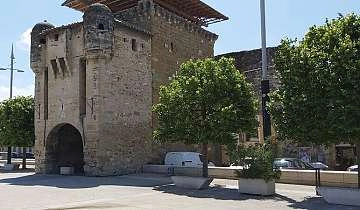
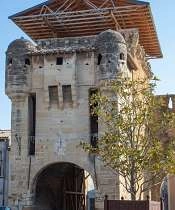
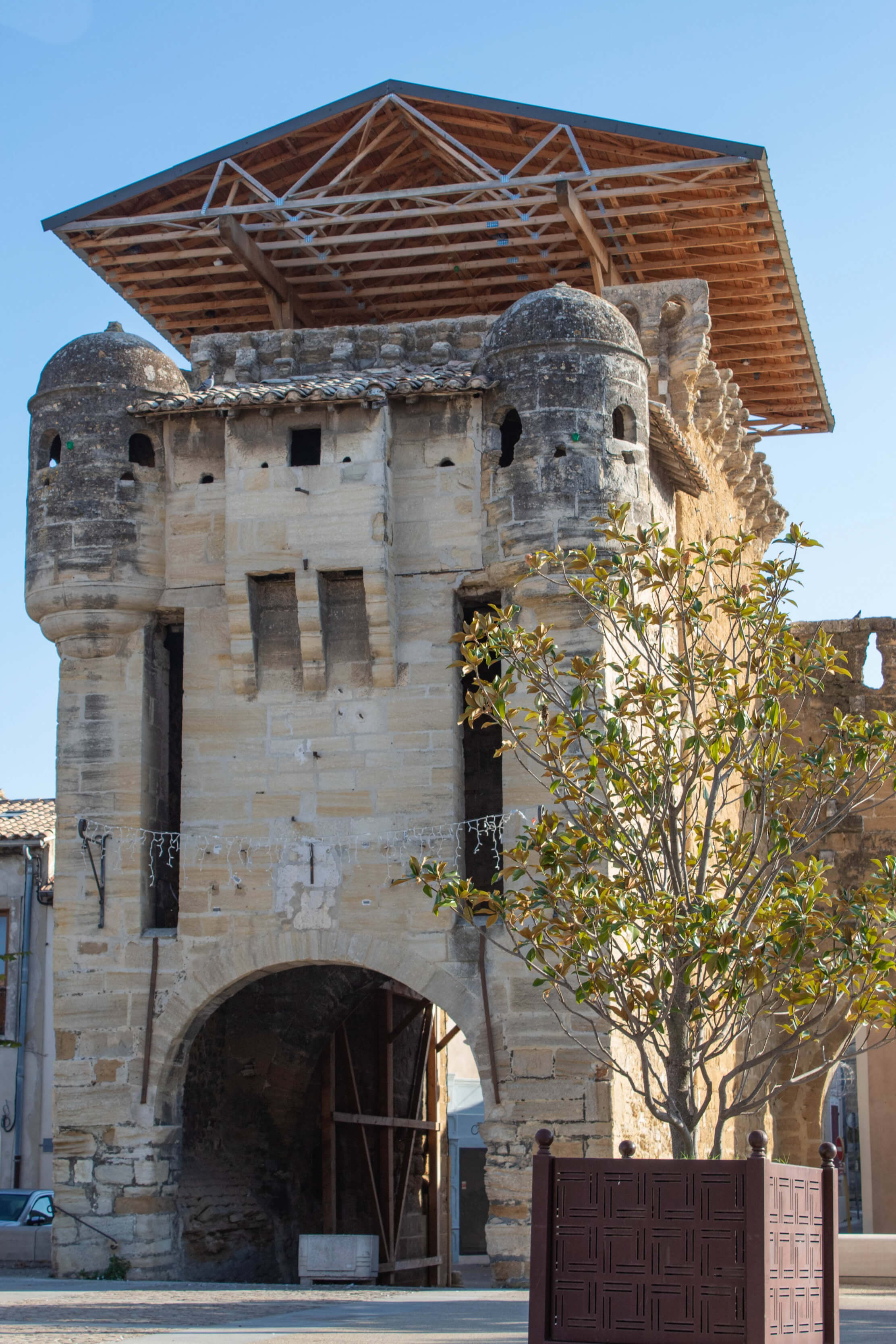
Formerly called “Porte Notre-Dame”, in the 15th century it was integrated into the ramparts and was equipped with a drawbridge, allowing access to the heart of the city. Traces of the latter were also found during the recent development work on the Place de la Glacière.
In the 17th century the Gate was renovated and then doubled by the addition of a new door, Renaissance style, flanked by loopholes and surmounted by the two turrets visible on the north side. It was during this renovation that it then took the name of Porte Neuve. It also retained the drawbridge chain ducts and its corner turrets. Under the arched porch, two stone benches were leaning against the walls and served as seats for members of the City Council who administered justice there. The arch was rebuilt in 1730.
In 1854, Porte Neuve was threatened with demolition as part of a vast urban project. Finally, under pressure from the population, the prefect authorized the project but not the demolition of the Porte Neuve: “The Municipality will ensure the intact conservation of the towers of the New Gate and will have the roof that covers this door repaired.” The municipality also carried out work to shoring the monument's arch. It has now been possible to cross the New Gate on foot again since 2019
Location
Informations
< Informations
In the same category..