A leap into the past
Discover the history of the historic monuments of our destination thanks to the illustrations and testimonies of our archives and thus take a leap into the past!
Many are familiar with the built heritage of our destination today, but many do not know how the various monuments looked a few centuries ago. For you, we have plunged into the archives of our municipalities to share with you the most beautiful illustrations and texts of these buildings.
Located in the heart of the historic center of Sorgues, the remains of the former Papal Palace of Sorgues bear witness to the close relationship between Sorgues and Avignon in the past.
Commissioned by Pope John XXII, it was built from 1317 to 1324, more than fifteen years before the construction of the Palais des Papes in Avignon. Located on the banks of Sorgues with a garden of more than three hectares, the building saw several popes who stayed there. It was mainly used as a nursing home, summer residence or home for guests of brands such as Catherine de Medici.
Over the centuries, the Papal Palace was abandoned and suffered serious damage during the religious wars; it was almost entirely burned in 1562. Completely abandoned and the victim of another fire in 1799, the remains of the Palace were ceded by the city and exploited as a stone quarry. Today, few elements are visible but a facade of this palace is still present and has now been converted into a house.


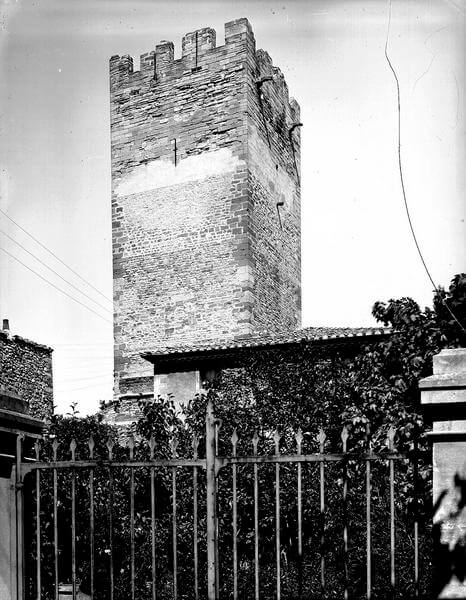
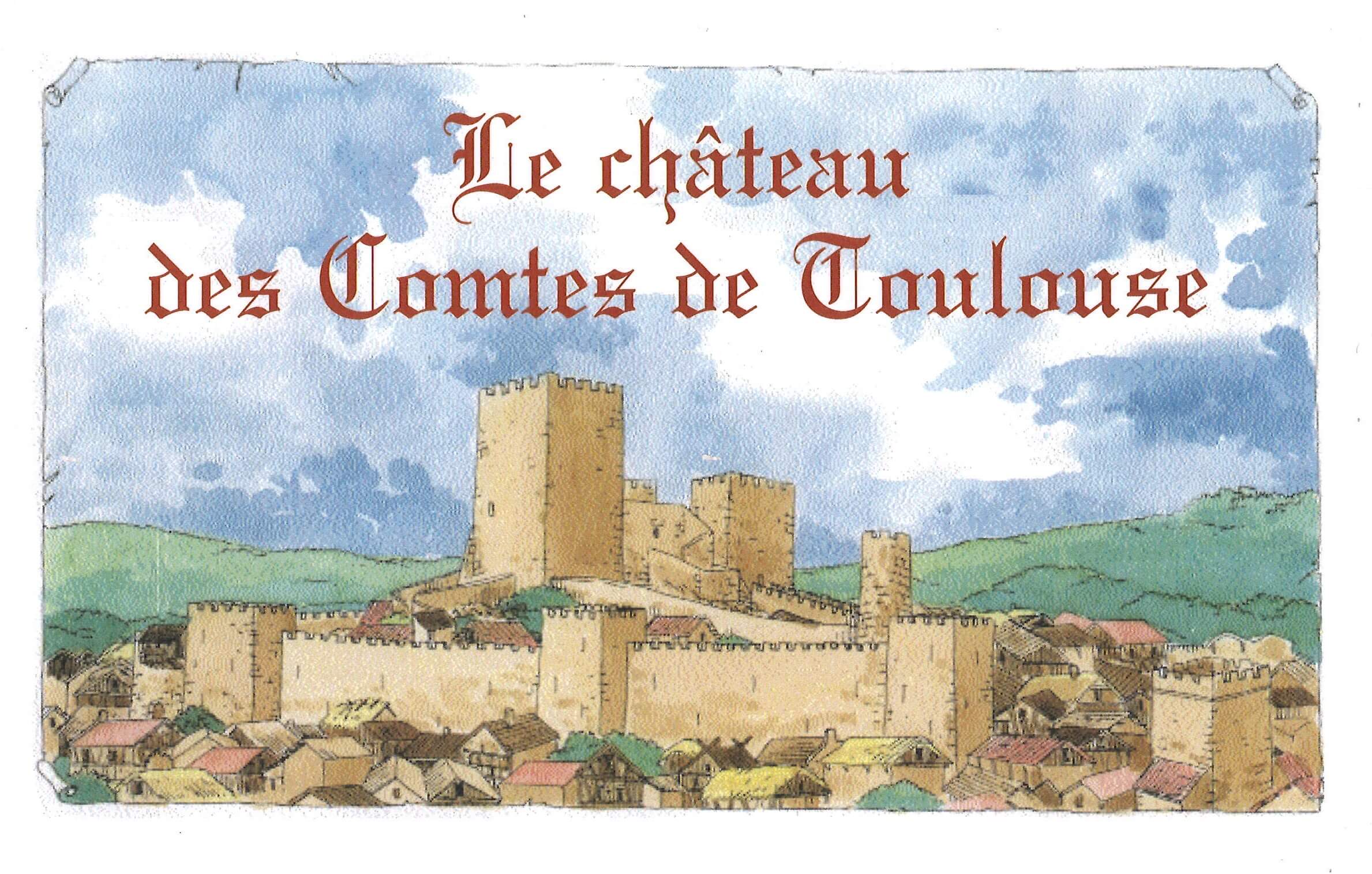
One of the most beautiful monuments of Pernes-les-Fontaines that dominates the city: The Clock Tower, the only remnant of the former Castle of the Counts of Toulouse.
Built between the 11th century and the 12th century by the Counts of Toulouse who never lived in Pernes, the building was occupied by the seneschals of the counts for more than a century and then by the rectors of the Comtat until the 15th century. It was from the 14th century that the Clock Tower took on the appearance it has today when it was decided to install a bell tower at the top and a clock on one of the facades. In the 17th century, due to lack of maintenance, the castle walls fell into ruins and it was decided to transform the only element still standing into a prison for some time (visitors can still see these arrangements during the European Heritage Days!)
In the city center of Monteux, you can find the Clementine Tower, the only and only remnant of the ancient Castle of Monteux. Historical symbol of the city, it owes its name to Pope Clement V who stayed there between 1309 and 1314. Built in the 12th century, there is little writing and illustration describing the building but some documents say that the castle was built around this tower which was raised at the beginning of the 14th century during the development of the city. Following some analyses, it is assumed that the Clementine Tower could have served as a treasure room during the stay of Clement V and as a prison a few centuries later.
The decline of the Château de Monteux occurred in 1415 when a violent fire seriously damaged the monument and therefore marked the beginning of the abandonment of the castle. Habitable areas will gradually replace the area and we will only keep the Clementine Tower which is preserved and maintained until today as a witness to the existence of this castle.