Iconic characters
Many characters have marked our territory through their actions and ideas and have participated, in one way or another, in the influence of our fabulous destination!
The man from Althen-des-Paluds
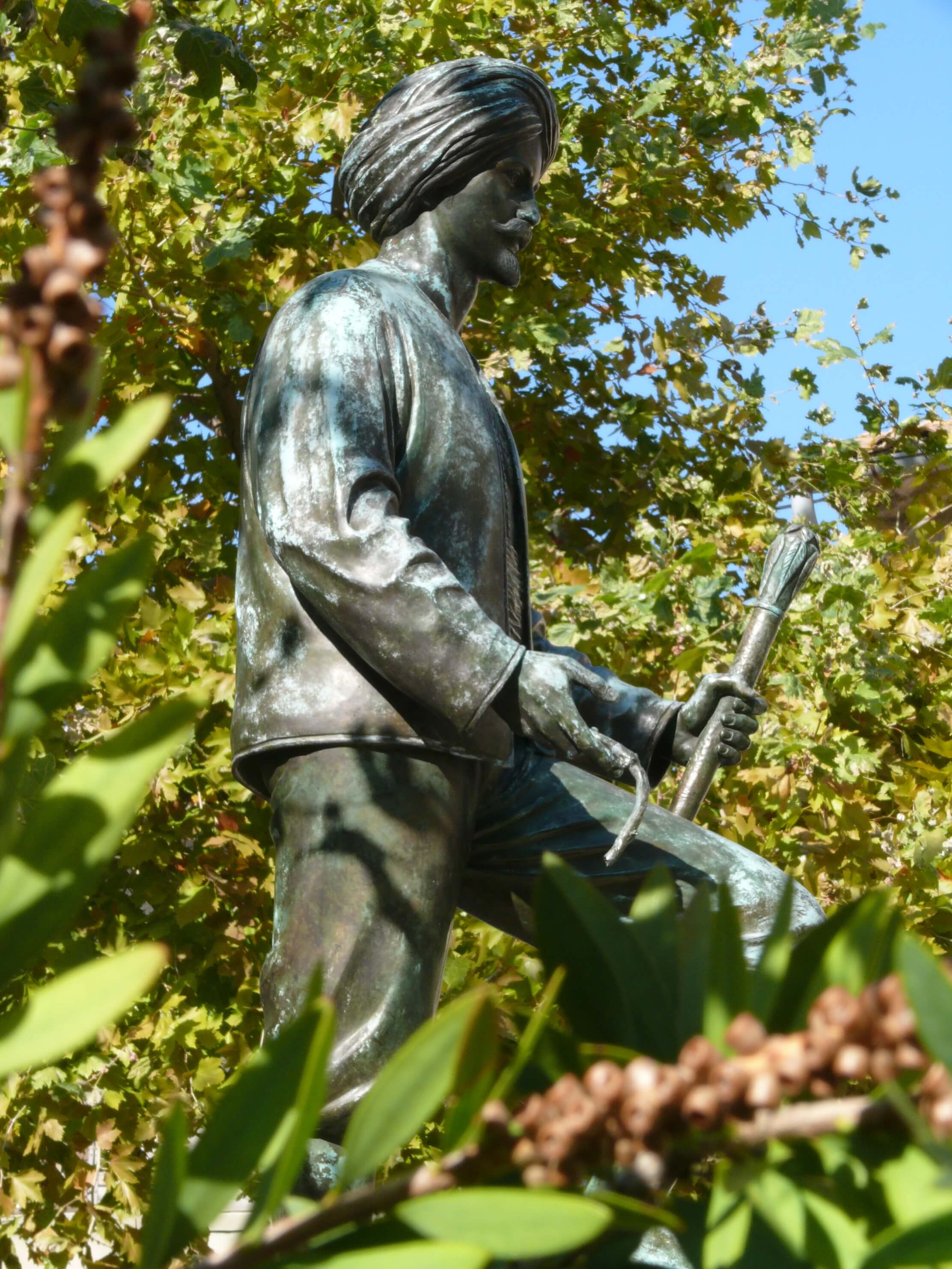
Jean Althen, born between 1704 and 1712 according to historical sources, originally from the Caucasus region (Armenia-Persia), is one of the emblematic characters of the town of Althen-des-Paluds baptized in his name.
Jean Althen was a slave in Asia Minor where he worked on madder and cotton plantations for 15 years. He ended up escaping and embarked for France.
After several unsuccessful attempts on the part of Jean Althen, the fertile plains of Comtat were favorable to the cultivation of madder, a dye plant whose roots are used to prepare dyes and dyes.
With passion he then developed an establishment in Garance which, as early as 1772, supplied various factories including those of the Indians of Orange. At the end of the 1790s, and unfortunately after the death of the latter, the cultivation of madder brought extraordinary prosperity to the region for more than a century since its introduction into the mallows where the first garancières had been installed. Jean Althen was therefore the introducer and the first farmer of madder in the territory of Avignon.
The district of Monteux, Les Paluds, was then detached from the town by ordinance in 1845 and built as an independent town in honor of Jean Althen under the name of Althen-des-Paluds. The city of Avignon also erected a bronze statue, the work of the Briand brothers, on the Rocher des Doms in his honor.
These posthumous tributes had a reason: the economic boom in the madder industry. Garancine made it possible to dye fabrics red, providing in particular the red pants of the French infantry.
The big names of Pernes-les-Fontaines
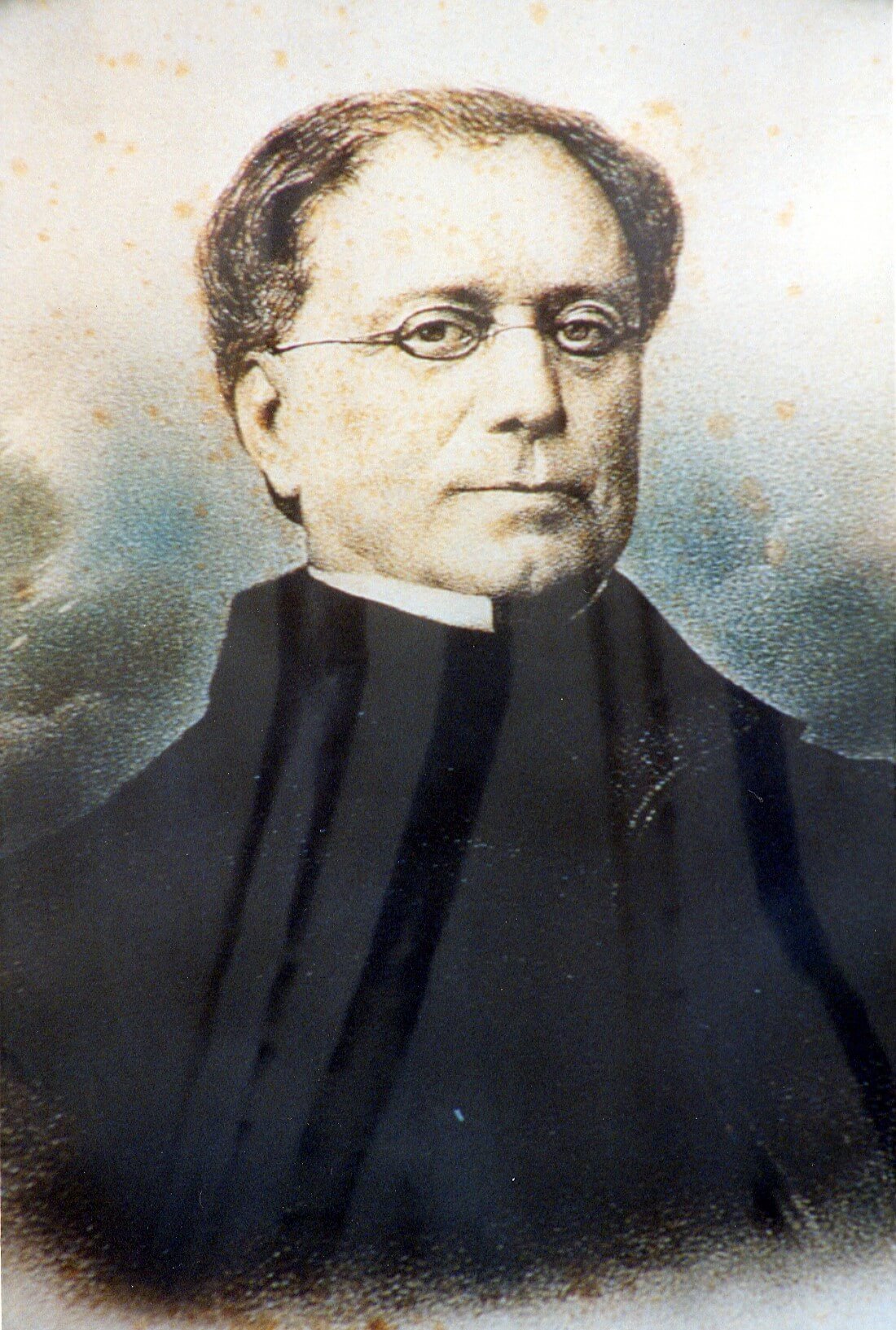
Louis Giraud is one of the emblematic characters of Pernes-les-Fontaines. He was also born there on June 15, 1805 and died on November 30, 1883.
He was a great French politician, founder and first director of the Carpentras Canal, which is still used today for irrigation in the Vaucluse department mainly.
Very invested in the political life of his village by becoming the mayor of Pernes-les-Fontaines three times, it is especially at the departmental level that the latter will influence the important decisions of Vauclusian life by being General Councilor for 24 years, from 1846 to 1870.
During his term, he worked for the creation of an irrigation system in his department. Thanks to his work and his tenacity, he succeeded in completing a project that was seven centuries old. Indeed, the project of the Canal irrigating the Comtat with the waters of the Durance was launched as early as the 12th century.
The Carpentras Canal Management Syndicate was created in 1853. Despite numerous incidents, Louis Giraud showed courage by avoiding obstacles and the canal was built and inaugurated in 1857.
The action of a lifetime was rewarded in 1860 by Emperor Napoleon III, who, visiting Orange and Avignon, presented Louis Giraud with the insignia of Knight of the Legion of Honour.
Louis Giraud attaches his name to the most magnificent and most fruitful work that could exist in the department of Vaucluse. The Carpentras Canal was, in fact, a profound transformation of the entire region by becoming a vector of wealth for its inhabitants thanks to the benefits of irrigation provided by Giraud.
In order to honor the memory of Louis Giraud for this company, a monument was inaugurated on September 20, 1925 in Pernes-les-Fontaines, registered as a historical monument since July 23, 2009.
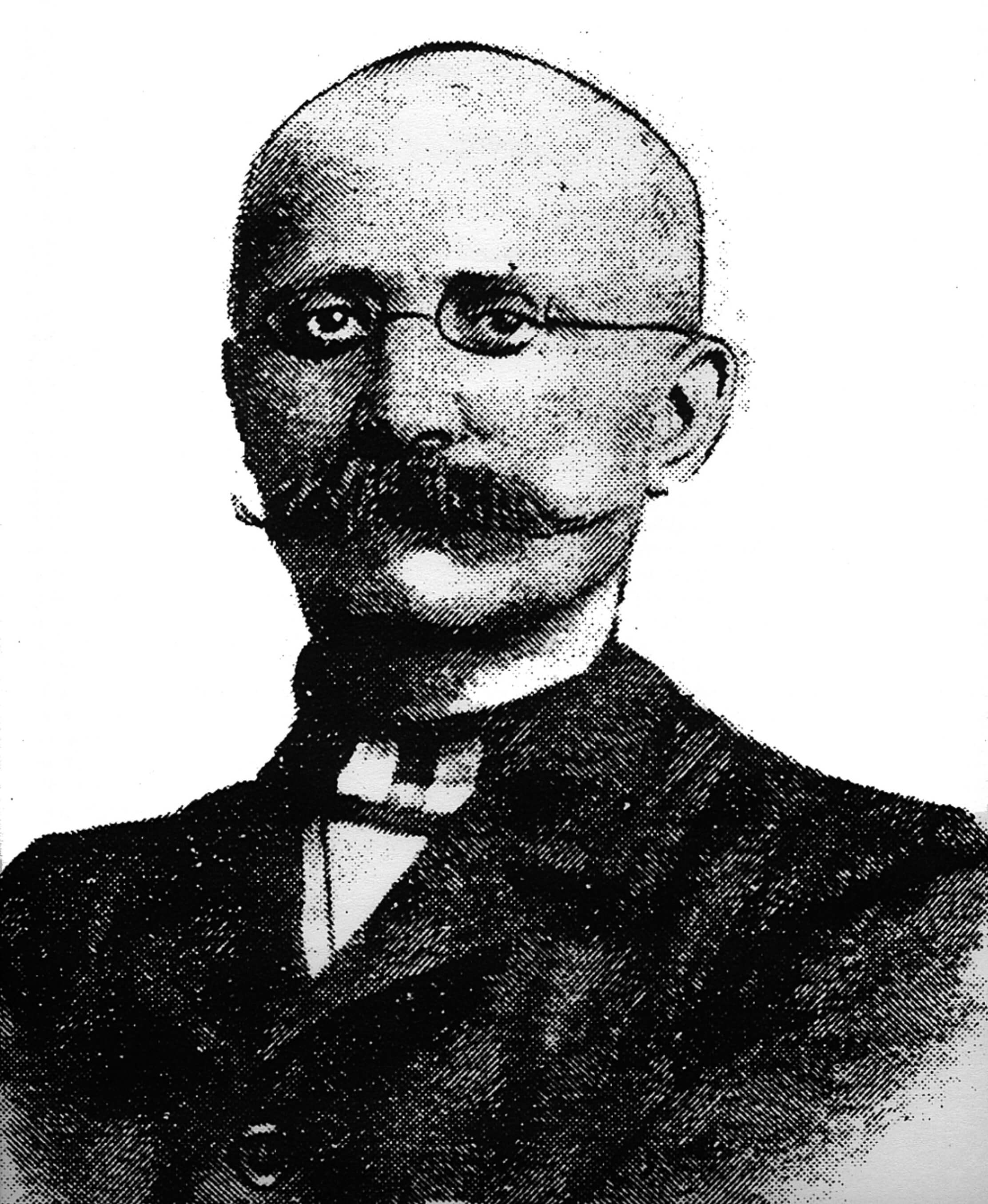
Paul de Vivie, known as Vélocio, born in the city of Pernes-les-Fontaines in 1853 is THE emblematic figure and even the inventor of a new way of life, which links the benefits of sport for body and mind with the discovery of nature: French cycling tourism.
Vélocio is his nickname referring to cycling and speed and can be translated as “the one who rides a bike quickly”. Vélocio was very sporty and discovered a new sport: velocipedia, for which he is more than passionate. He shares this passion and promotes this practice that he loved so much through articles in the magazine “Le Cycliste”, which he created. Paul de Vivie only lived for cycling and was the victim of a tragic tram accident while leaving his house on a bicycle.
Pernes honored him in 1932, by placing a commemorative plaque on his birthplace and by naming an avenue after him.
In 2003, for the 150th anniversary of his birth, as part of an Easter in Provence, Pernes-les-Fontaines gave the name of Paul de Vivie to his beautiful sports complex.
It is thanks to him that our beautiful region rhymes with cycling!
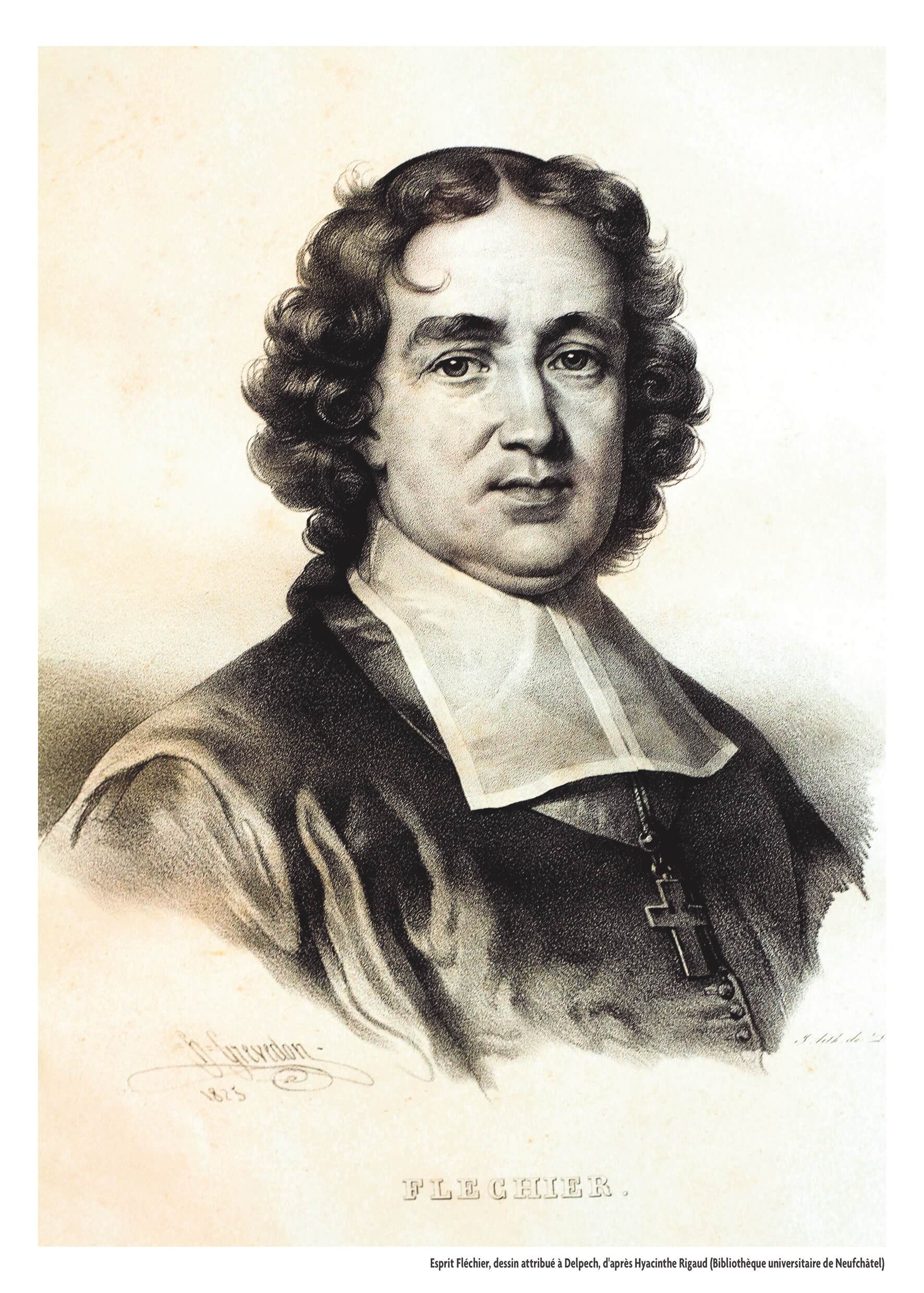
Esprit Fléchier, born in Comtat Venaissin on June 10, 1632, is one of the emblematic men of Pernes-les-Fontaines. He was a churchman and preacher, bishop of Lavaur and then of Nîmes. The latter is considered to be one of the great orators of the 17th century.
Fléchier discovered his vocation as a preacher by giving the funeral eulogy of the archbishop of Narbonne. He ended up leaving the south to try his fortune in Paris. His reputation won the court of the Sun King, where he became famous for his panegyrics and funeral orations. These constitute Fléchier's masterpiece, in particular that of Turenne, which is considered a true “masterpiece”.
Fléchier made Comtat Venaissin shine before the Sun King's court. His works rank him just after Bossuet in the hierarchy of sacred orators.
Artists in Sorgues
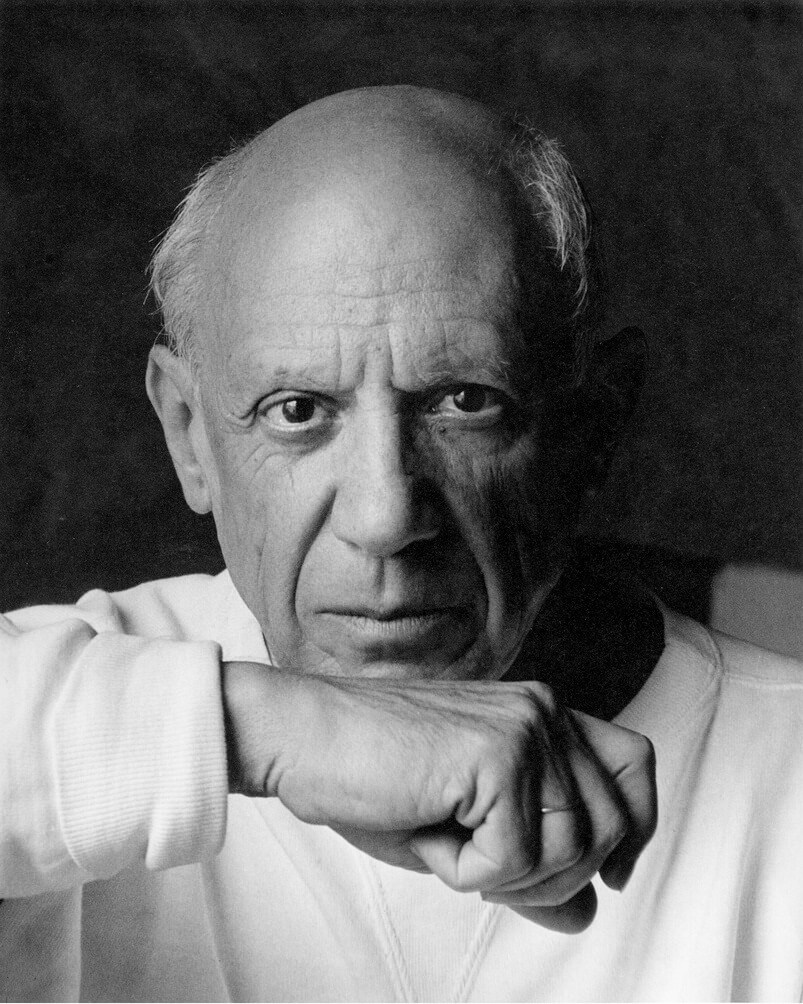
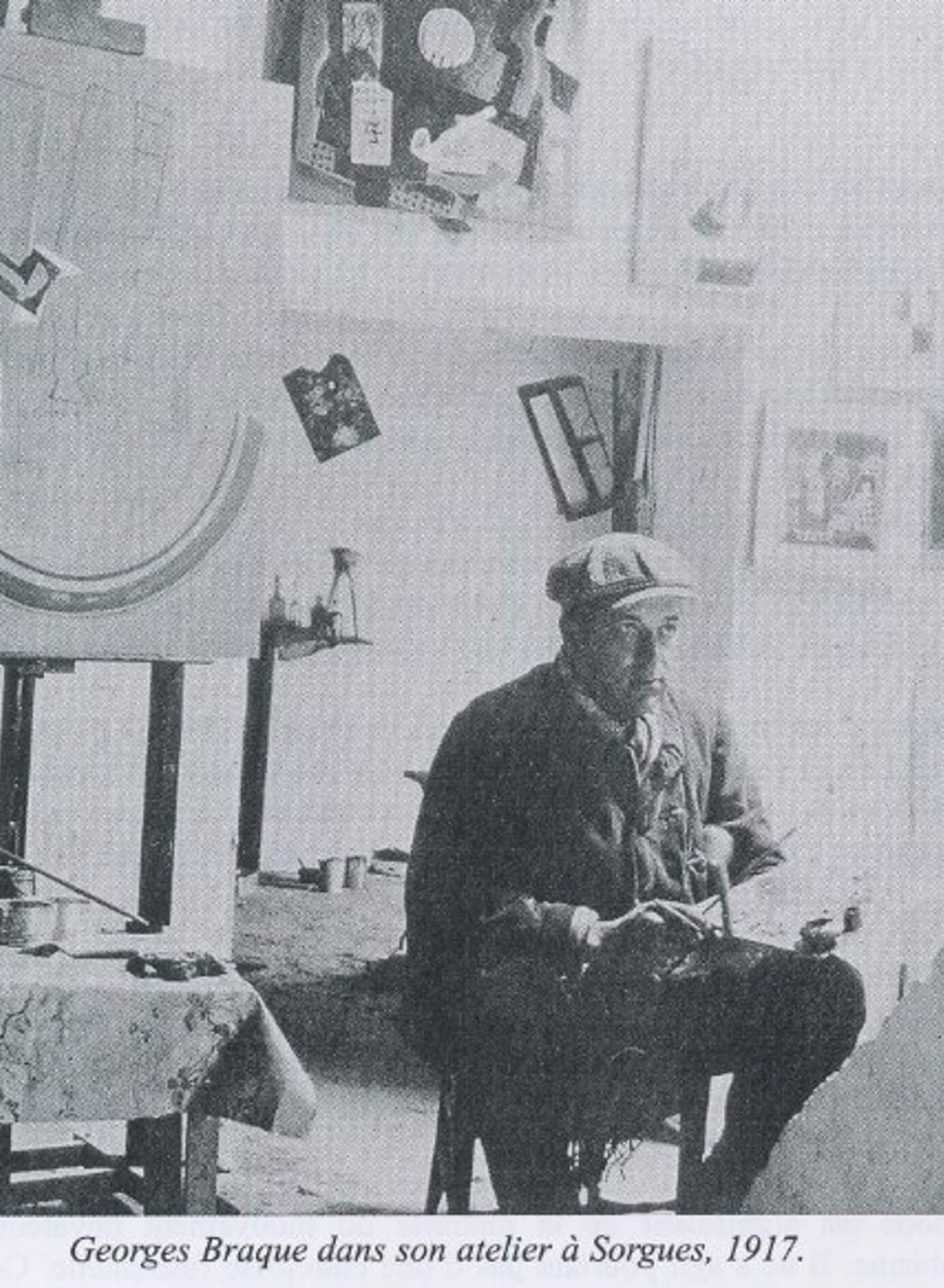
After their stay in Sorgues, Georges Braque and Pablo Picasso became two emblematic figures of the city that should not be forgotten.
It was in June 1912 that Pablo Picasso arrived in Sorgues with his partner. The discovery of this green city and its picturesque market seduced them and they immediately settled down a stone's throw from the town hall, joined by Georges Braque and his wife at the end of July.
Cubism, which is in its analytical phase, shows its limits and the paintings of the two friends tend too much towards abstraction, which they dislike.
In order to reconnect with reality, they introduce real or descriptive elements directly into the painting. It was the birth of synthetic cubism and it was in Sorgues that the first paste* paper in the history of art was created.
Pablo Picasso produced a substantial body of work during these three months of stay in Sorgues. But also a considerable number of drawings and sketches for his future paintings. Georges Braques returned every summer from 1913 to 1916.
*: Collage and assembly of pieces of paper of any type, shape and color that can be integrated into a work made with paint for example.
The Prides of Monteux
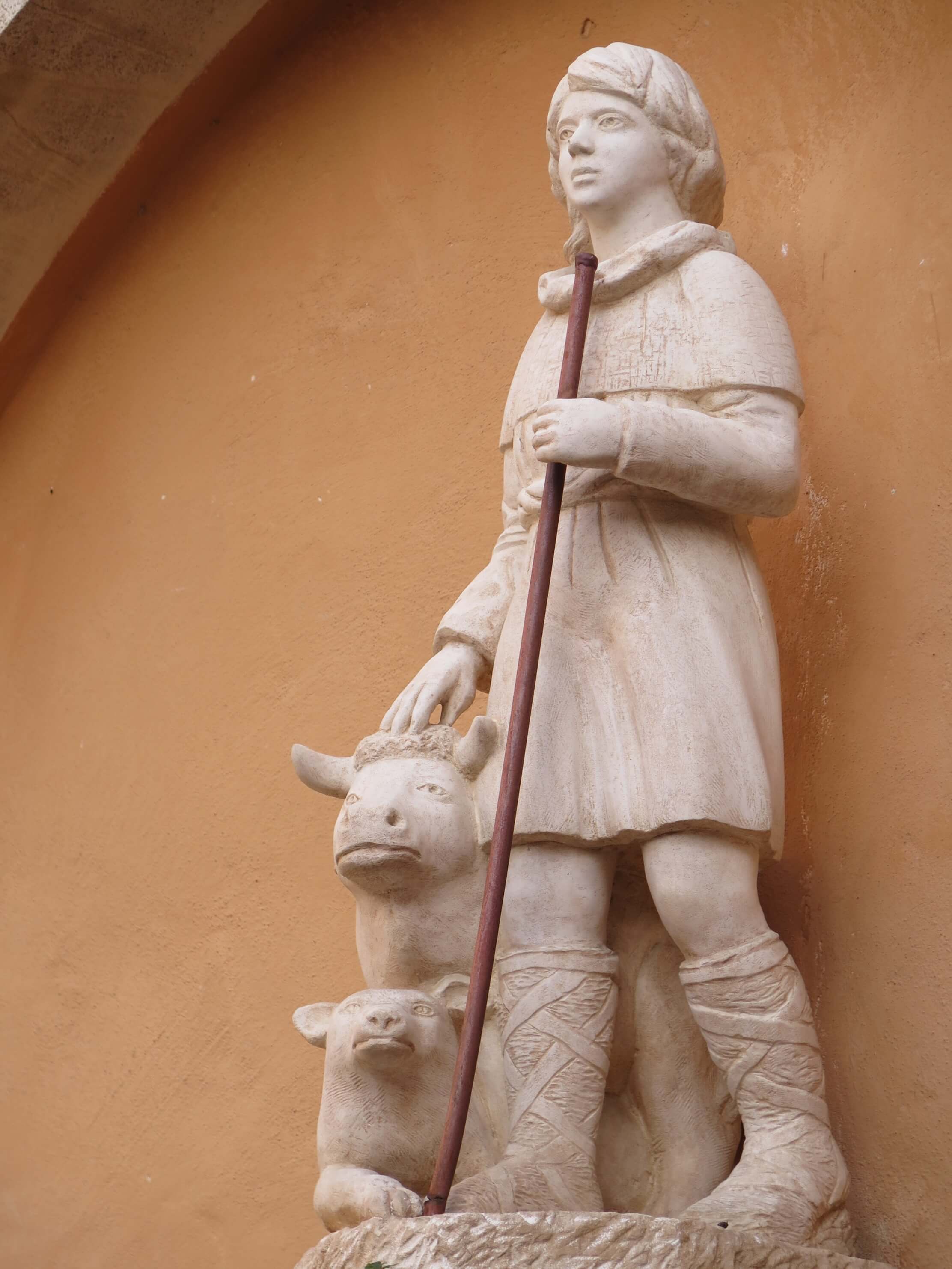
Saint Gens, whose real name is Gens Bournereau, was born in 1104 in Monteux. As a teenager he left to live as a hermit far from his family and his village in a valley near Beaucet. He lives in renunciation, praying, working and doing penance.
Gens's three miracles:
Gens settled in the ruins of an ancient monastery, farming a plot of land for his livelihood with the help of the two cows that his father gave him when he left. He prayed constantly for all sinners. One day, while deeply absorbed in his prayer, a wolf rushed at one of his cows to slaughter it. Gens tamed the wolf, and forced him to plow with the cow that was left. It was his first miracle.
Gens's mother picked him up to bring him back to Monteux. She asked for some water because she was thirsty. Immediately, a spring flowed over his hand, it was his second miracle.
Arriving in Monteux, Gens asked the local priests to organize a procession in order to get the drought over. The procession had not yet traveled through the streets of the village when the rain started to fall, it was its third miracle.
Saint Gens died on May 16, 1127. In the 17th century, his relics were transported to the church of Beaucet, then brought back in 1972 to the church of his hermitage. Nowadays, his pilgrimage, on May 16, is one of the most frequented in all of Provence. Every year, since 1671, the weekend following May 16, the Confraternity of Saint Gens organizes a pilgrimage to Beaucet and the Montilians return, every year, on a pilgrimage to the Hermitage of Beaucet where several shrines have succeeded one another over the centuries.
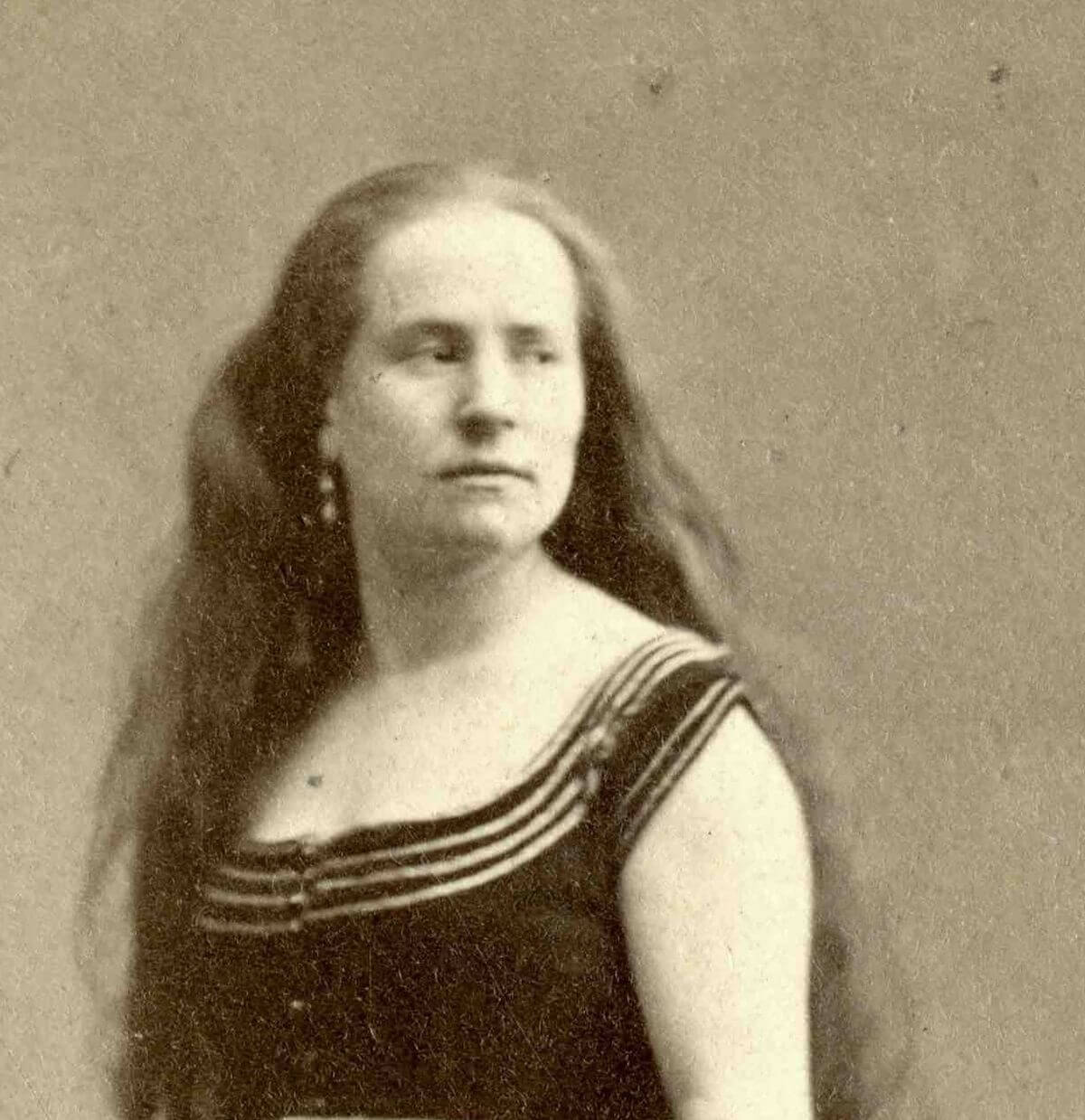
Rosa Bordas was born into a family with a mountain tradition in Monteux. His parents owned the café “Rouge” in the city of Monteux. It is in this café that she starts the song, before starting to tour in several other singing cafés in the middle of the day.
At 17, she married Etienne Bordas, the musician who used to accompany her since he started playing the violin, the accordion or even the guitar.
Its success was rapid and quickly became national. She distinguished herself in Paris during the events of the town under the name of “la Bordas”.
After her death at the age of 61, she was buried in Monteux.
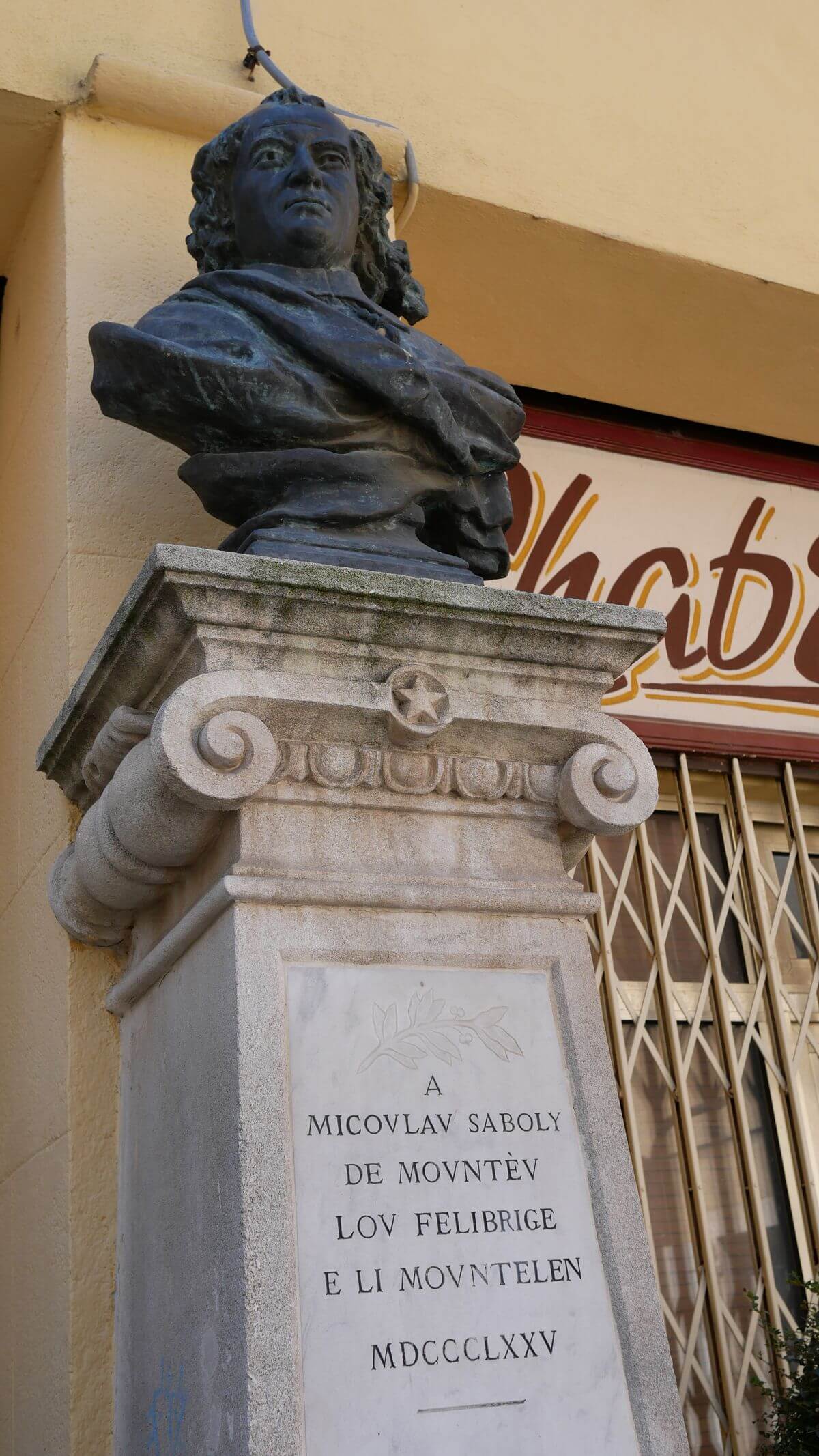
Nicolas Saboly is a French poet, composer and choirmaster born in 1614 in Monteux.
He was the composer of numerous Christmas carols in Provençal which form one of the monuments of poetry in the Occitan language and which have been constantly reissued up to the present day. Today he is known for these famous songs.
He was choirmaster and organist. This man is associated with the poets Félibrige, in particular Frédéric Mistral, who was inspired with enthusiasm by his texts and his desire to perpetuate Provençal traditions.
Nicolas Saboly, destined for the priesthood, had a career as a classical choirmaster, like many others in his time, but he remained famous thanks to the composition of Christmas carols in Provençal, also called his “Noëls”.