Pablo Picasso and Georges Braque in Sorgues, just that!
Uncover the artistic impact of Pablo Picasso and Georges Braque's 1912 stay in Sorgues and its significance influence on the development of Cubism and modern art !
Picasso's installation in Sorgues
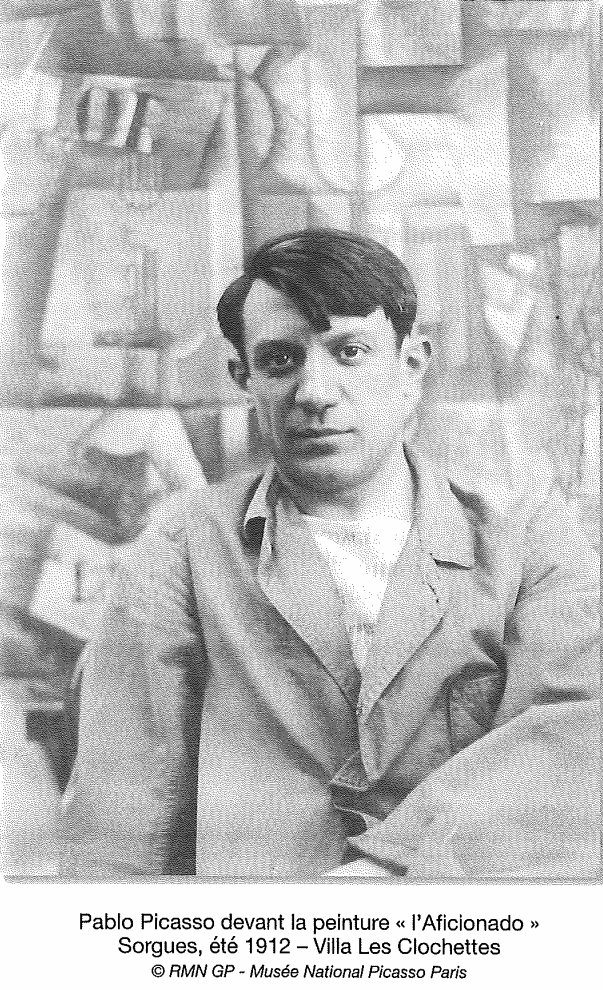
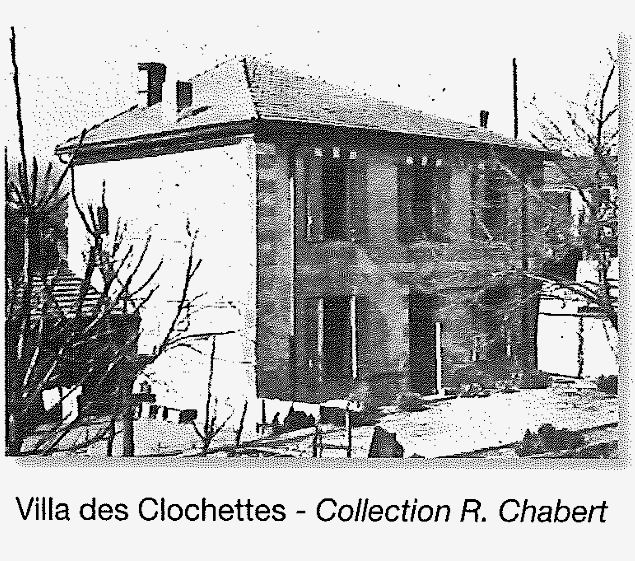
In June 1912, Pablo Picasso (30) moved to Sorgues - which had 4,500 inhabitants at the time - with his partner Eva Gouel (27), in a discreet villa, the 'Villa des Clochettes', located not far from the town hall. The couple had arrived by tram from Avignon, looking for a place away from the world so that Pablo could work comfortably, while Éva yeamed for peace and quiet.
They stayed there for three months: “Now I have found a very pretty country, Sorgues, 10 km from Avignon, and I have found a house with a garden and an upholsterer who will rent me furniture” he writes.
Braque's installation in Sorgues
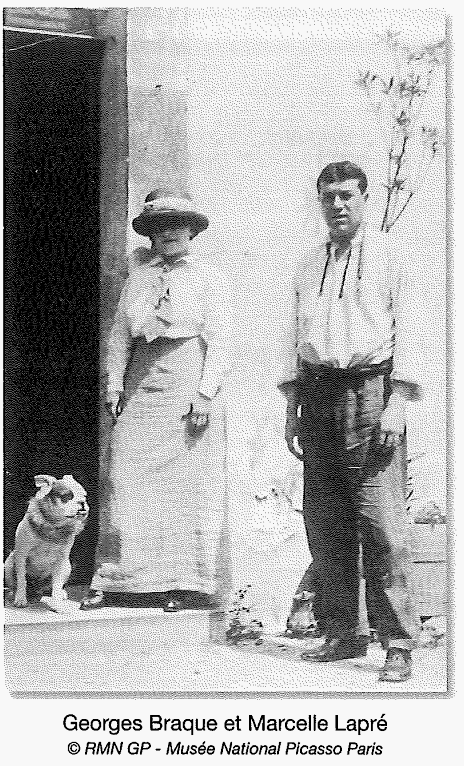
Georges Braque (30), accompanied by his wife Marcelle (33), joined Picasso in Sorgues and rented the 'Villa Bel-Air', a Japanese-inspired house located on Route d'Entraigues, from August 1912 to around 1917 (he would return every summer from 1913 to 1916).
At that time, Sorgues, a peaceful and green city, close to Avignon and with a picturesque market, knew how to seduce the two friends who began a nascent artistic collaboration.
Discovery of the pasted paper method
Initiator of cubism, Georges Braque discovered the technique of pasted paper: synthetic cubism was born! Indeed, the two artists had become aware that their works were becoming too abstract and were thus moving further away from the original model: cubism was in its analytical phase and was showing its limits... This problem needed to be solved.
It all began one fine day in the summer of 1912, when Georges' eyes were attracted by a roll of paper imitating oak, displayed in the window of a wallpaper seller in Avignon... He then decided to cut it and insert it into his canvas, which allowed him to create new spaces, between the illusion caused by the shadows with the charcoal lines and the reality induced by the glued paper. Shortly after, his first pasted paper was born, entitled 'Compotier et Verre'.
Braque generally placed newspaper fragments, wood-imitating papers, cigarette wrappers, or razor blades in his works.
Pasted paper reinforces Georges Braque in his refusal of abstraction: this experience was decisive and marked a turning point in his art.
Picasso also started!
Picasso also adopted this new paper-pasted method in November 1912. This is how the first pasted papers in the history of art were created in Sorgues!
Picasso's works during his stay in Sorgues...
During his three-month stay, Pablo had time to create several works, including The Arlesienne, The Man with the Guitar, The Poet, Dead Birds as well as a large number of drawings and sketches of his future paintings.
The walls of his house also served as a support for him to practice his art: in particular, he painted on the wall the work 'Ma Jolie', better known under the name 'Guitar, Pernod bottle, glass'. Wishing to keep his work, Picasso had the surface of the wall where his oval painting was painted removed to keep it with him.
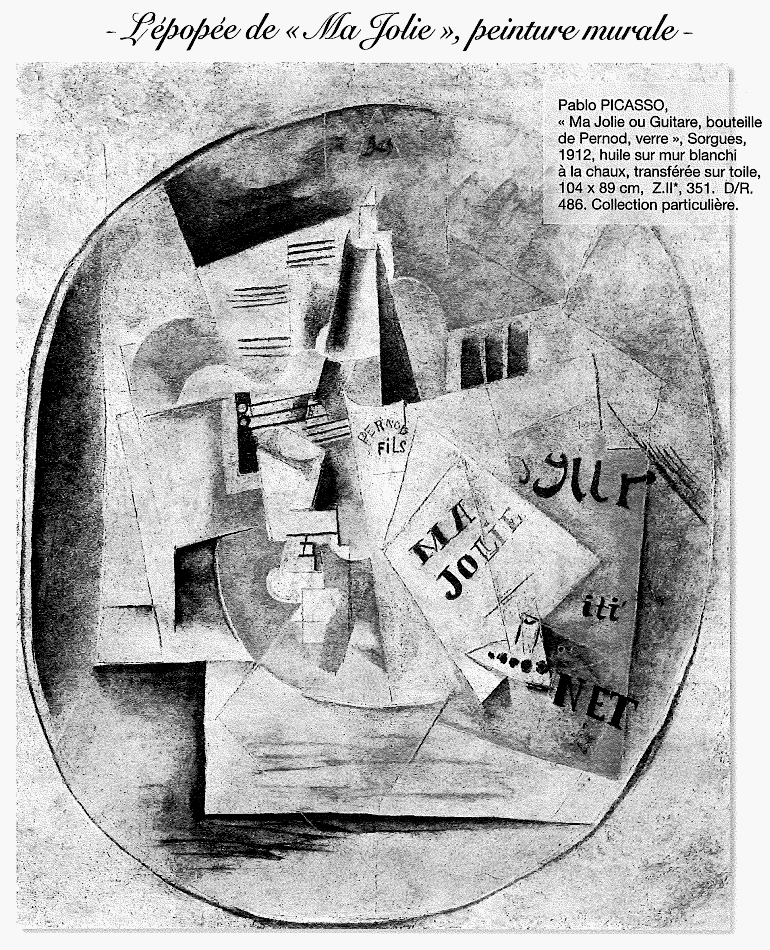
What happened to the mural 'Ma Jolie'?
'Ma Jolie' has been acquired and restored several times, we had lost track of this traveling work... But that was without counting the persistence of Christine Deloffre, president of the Picabraq association, who decided to conduct the investigation: three years of research were necessary in order to reconstruct her journey. Found in Germany, the work was finally able to be exhibited in Marseille during the exhibition 'Picasso, imaginary journeys', thanks to the Picabraq association.
Text freely adapted from the following sources: Ville de Sorgues, journal des Sorgues du Comtat no. 42, Etudes Sorguaises no. 30.
Conduct the investigation!
Detective, help us solve the case of the missing sketches of Picasso and Braque, with the game 'Intrigue dans la ville'!
All the information by clicking here.